
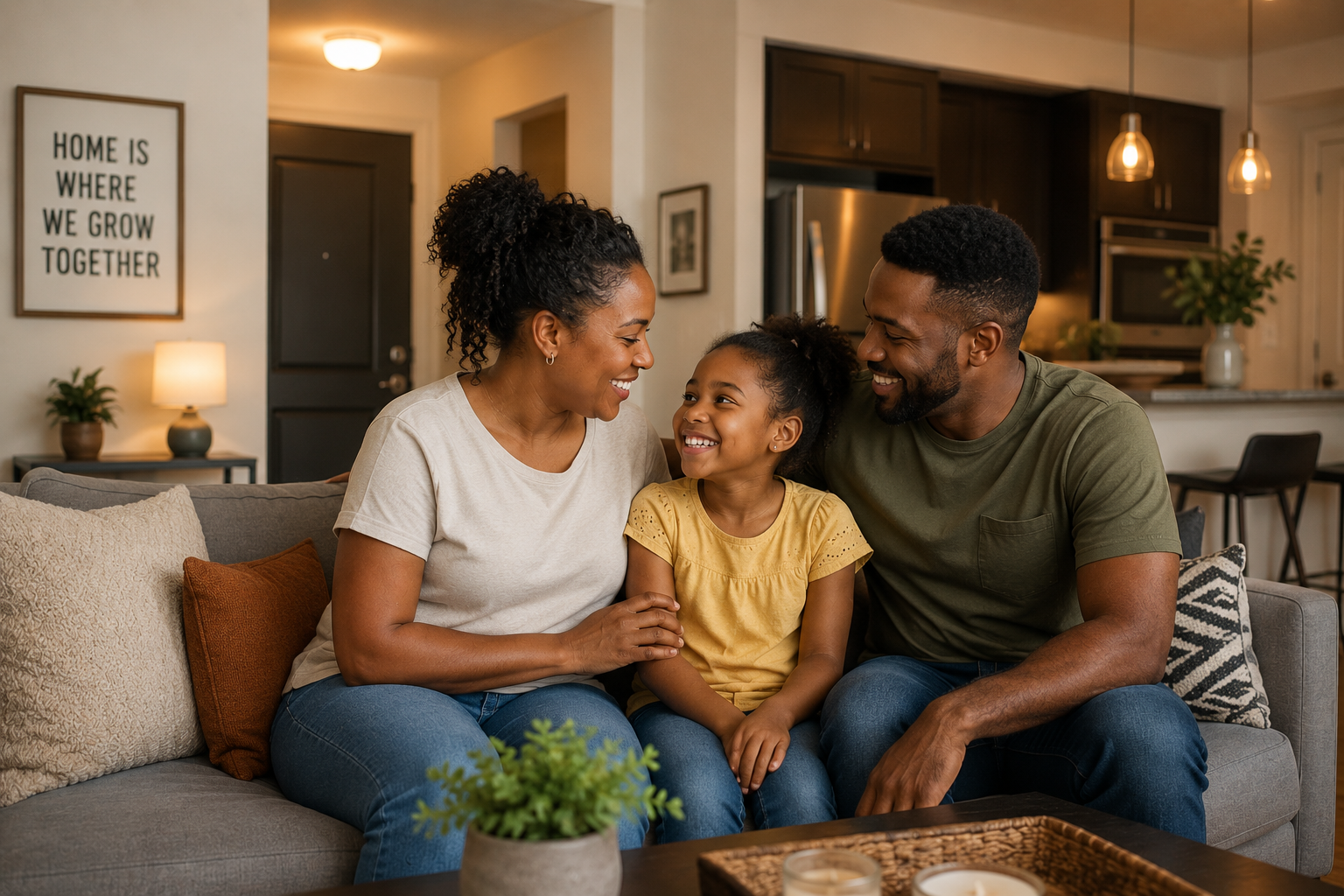

There is a moment worth paying attention to when someone receives the keys to a home after experiencing housing instability. A key represents privacy, safety, dignity, and the possibility of beginning again. Housing matters tremendously because stability begins with having a safe place to call home, but housing alone cannot carry the full weight of everything a person may be navigating. But handing someone a key and expecting every other challenge in their life to immediately stabilize is where our systems can get it wrong. Housing creates a foundation. What happens after placement often determines whether that stability can be sustained.
The Conversation Has to Go Beyond Placement
Much of the housing conversation has understandably focused on getting people indoors. That work remains urgent. But communities also have to ask the next question: What does it take for someone to remain successfully housed and build the life they want after placement?
For one person, that may mean behavioral health support. For another, employment, healthcare, financial coaching, rebuilding family relationships, learning to manage a household again, or simply having someone available when a problem begins rather than after it becomes a crisis. Housing stability is connected to everything happening around the person.
Support Should Build Capacity
Supportive services should provide meaningful assistance without unintentionally creating permanent dependence on the service system. The goal is not to withdraw support before someone is ready. The goal is to help people build the skills, confidence, relationships, income, community connections, and resources that allow them to become increasingly stable over time.
Sometimes success looks like a person needing fewer services. Needing fewer intensive services should not automatically be viewed as disengagement; when it reflects increased stability, stronger natural supports, and greater confidence, it can be one of the clearest signs of progress. Organizations should be willing to measure growth not only by program participation, but by increased independence, stronger natural supports, improved well-being, and long-term housing stability.
Think Further Down the Road
At IHHS, we believe housing strategies should begin with long-term stability in mind. That requires housing providers, healthcare organizations, behavioral health professionals, property management teams, community partners, and residents to be part of the same conversation. The strongest systems create pathways, not simply placements. A housing placement can change someone’s address. The right combination of housing, support, opportunity, and community can help change the direction of a life. There is an important difference between the two, and that difference should shape how we build the future of housing.
Executive Commentary
Housing is foundational, but I have never believed that the work ends when someone receives a key. The real measure is whether people have the support, opportunity, and stability to remain housed and move forward on their own terms. Our housing strategies have to be designed with that longer view in mind.